Qianfeng Daoism (UK) - Introduction
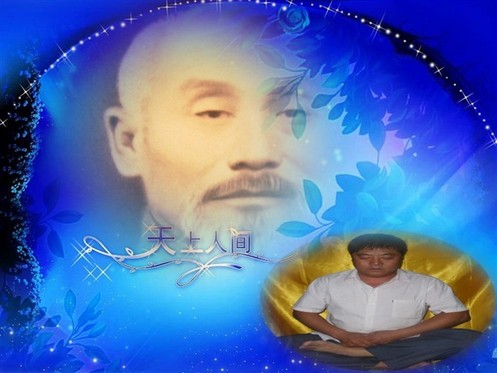
The ICBI Qianfeng Daoism Project is supported and endorsed by Master Zhao Ming Wang of Beijing – the great grandson of Grand Master Zhao Bichen (1860-1942) [赵避尘], and inheritor of the family lineage of the Qianfeng School of Daoist cultivation. Master Zhao Ming Wang can be contacted through the following email and (Chinese language) blog address:
Master Zhao Ming Wang's Email: [email protected]
Master Zhao Ming Wang’s Traditional Chinese Daoist Health Blog (中国传统道家养生的博)
Articles of further interest:
Interview with Master Zhao Ming Wang
Master Zhao Bichen (1860-1942) Daoist Immortal
The ICBI Qianfeng Daoist Project is also supported by:
Qianfeng Daoism (UK) Main Webpage
Qianfeng Daoism (UK) FACEBOOK
Qianfeng Xiantian Daoism (Netherlands) Main Webpage
Qianfeng Xiantian Daoism (Netherlands) FACEBOOK
The International Ch’an Buddhism Institute (ICBI) supports all schools, systems, lineages, traditions, and practices that comprise ‘Daoist’ practice, and acknowledges the profound importance Daoism has had on the development of Ch’an Buddhism in particular, and Buddhism in general. In many ways, the presence of Daoism in China, quite literally prepared the ‘Way’ for Ch’an Buddhism to take root and thrive. Daoism is a very important part of Chinese history and cultural development. Such is its prevalence and relevancy to Chinese thought that even the development of Confucianism, and the importation to China of Indian Buddhism, could do nothing to dislodge its primacy amongst the thinking and habits of the ordinary people and the political elite. As a consequence, the term ‘Dao’ is found as a common expression within Confucian thinking and Buddhist philosophy, and is used to refer to a pristine ‘Way’ that secures a sagely understanding of reality. It is also true that Confucianism and Buddhism have both left their mark on Daoism – usually through a sound integration of the distinct thinking of these three schools of thought.
The accommodation of ‘difference’, even when apparently contradictory, or perhaps apparently illogical, has been a major characteristic of Chinese thought down through the ages. For instance, an ordinary Chinese person might be brought up to respect authority (Confucianism), whilst believing that there is no earthly authority beyond the Buddha (Buddhism), and through the power of spells, talismans, and amulets, bad fortune can be averted, and good fortune secured (Daoism). Furthermore, the Confucian notion of ‘ancestor worship’ is negated by the Buddhist notion of ‘rebirth’ – whilst various schools of Daoism advocate the leaving of society and the abandoning of an everyday lifestyle. Confucians respect authority, whilst Buddhists fail to acknowledge its presence or its worth. Daoists believe that by aligning the human mind and body with the rhythms of nature, all inner and outer conflict is uprooted. This can be compared to the Buddhist practice of ignoring nature, and the Confucian habit of imposing a hierarchical order upon the world through the strict observance of ‘respect’ related habits of behaviour. The point is that Daoism – through its natural philosophy – has enabled both Confucianism and Buddhism to stay connected to the real world, when their respective philosophies could so easily have led to nihilism, and negation, etc.
This is not to say that Daoism, Confucianism, and Buddhism have always managed to get along peacefully. Quite often within Chinese society, various political leaders have sought to gain influence over large numbers of the common people by aligning themselves with their belief systems. In such situations, spiritual philosophy has been distorted to accommodate the expediency of selfish political beliefs, petty minds, and poorly developed egos. This has led to murder, imprisonment, executions, banishments, and at times, even open warfare. This sees the developmental philosophies of ancient China turned on their heads so that the wrong people occupy positions of authority and influence. This observation is poignant as true Daoism serves as a model for progressive leadership of the common people, as well as a method for the correct leadership of oneself. Such is the prevalence of Daoist influence upon Ch’an Buddhism, for instance, that Master Xu Yun (1840-1959), often made allusions to well-known Daoist Immortals in his Dharma-talks during the holding of Ch’an Weeks of extended meditation. All forms of Daoism are welcome to participate either directly or indirectly in this ‘Daoism’ project. Obviously as a recognition of the tendency of some Daoists to disappear into the hills and never be seen again – constructively ‘doing nothing’ is a perfectly acceptable means of assisting this initiative. As for the ICBI – through its Ch’an lineage in the UK – its members are directly associated with Zhao Bichen (1860-1942), and his Qianfeng School, which emerged from the Longmen lineage of the Quanzhen Dao School. Zhao Bichen was directly influenced by the philosophy of Ch’an Buddhism, just as the Quanzhen Dao School was influenced by the ‘emptiness’ teachings of Buddhism, found within the Prajna Paramita Sutra.
©opyright: Adrian Chan-Wyles (ShiDaDao) 2014.
Master Zhao Ming Wang's Email: [email protected]
Master Zhao Ming Wang’s Traditional Chinese Daoist Health Blog (中国传统道家养生的博)
Articles of further interest:
Interview with Master Zhao Ming Wang
Master Zhao Bichen (1860-1942) Daoist Immortal
The ICBI Qianfeng Daoist Project is also supported by:
Qianfeng Daoism (UK) Main Webpage
Qianfeng Daoism (UK) FACEBOOK
Qianfeng Xiantian Daoism (Netherlands) Main Webpage
Qianfeng Xiantian Daoism (Netherlands) FACEBOOK
The International Ch’an Buddhism Institute (ICBI) supports all schools, systems, lineages, traditions, and practices that comprise ‘Daoist’ practice, and acknowledges the profound importance Daoism has had on the development of Ch’an Buddhism in particular, and Buddhism in general. In many ways, the presence of Daoism in China, quite literally prepared the ‘Way’ for Ch’an Buddhism to take root and thrive. Daoism is a very important part of Chinese history and cultural development. Such is its prevalence and relevancy to Chinese thought that even the development of Confucianism, and the importation to China of Indian Buddhism, could do nothing to dislodge its primacy amongst the thinking and habits of the ordinary people and the political elite. As a consequence, the term ‘Dao’ is found as a common expression within Confucian thinking and Buddhist philosophy, and is used to refer to a pristine ‘Way’ that secures a sagely understanding of reality. It is also true that Confucianism and Buddhism have both left their mark on Daoism – usually through a sound integration of the distinct thinking of these three schools of thought.
The accommodation of ‘difference’, even when apparently contradictory, or perhaps apparently illogical, has been a major characteristic of Chinese thought down through the ages. For instance, an ordinary Chinese person might be brought up to respect authority (Confucianism), whilst believing that there is no earthly authority beyond the Buddha (Buddhism), and through the power of spells, talismans, and amulets, bad fortune can be averted, and good fortune secured (Daoism). Furthermore, the Confucian notion of ‘ancestor worship’ is negated by the Buddhist notion of ‘rebirth’ – whilst various schools of Daoism advocate the leaving of society and the abandoning of an everyday lifestyle. Confucians respect authority, whilst Buddhists fail to acknowledge its presence or its worth. Daoists believe that by aligning the human mind and body with the rhythms of nature, all inner and outer conflict is uprooted. This can be compared to the Buddhist practice of ignoring nature, and the Confucian habit of imposing a hierarchical order upon the world through the strict observance of ‘respect’ related habits of behaviour. The point is that Daoism – through its natural philosophy – has enabled both Confucianism and Buddhism to stay connected to the real world, when their respective philosophies could so easily have led to nihilism, and negation, etc.
This is not to say that Daoism, Confucianism, and Buddhism have always managed to get along peacefully. Quite often within Chinese society, various political leaders have sought to gain influence over large numbers of the common people by aligning themselves with their belief systems. In such situations, spiritual philosophy has been distorted to accommodate the expediency of selfish political beliefs, petty minds, and poorly developed egos. This has led to murder, imprisonment, executions, banishments, and at times, even open warfare. This sees the developmental philosophies of ancient China turned on their heads so that the wrong people occupy positions of authority and influence. This observation is poignant as true Daoism serves as a model for progressive leadership of the common people, as well as a method for the correct leadership of oneself. Such is the prevalence of Daoist influence upon Ch’an Buddhism, for instance, that Master Xu Yun (1840-1959), often made allusions to well-known Daoist Immortals in his Dharma-talks during the holding of Ch’an Weeks of extended meditation. All forms of Daoism are welcome to participate either directly or indirectly in this ‘Daoism’ project. Obviously as a recognition of the tendency of some Daoists to disappear into the hills and never be seen again – constructively ‘doing nothing’ is a perfectly acceptable means of assisting this initiative. As for the ICBI – through its Ch’an lineage in the UK – its members are directly associated with Zhao Bichen (1860-1942), and his Qianfeng School, which emerged from the Longmen lineage of the Quanzhen Dao School. Zhao Bichen was directly influenced by the philosophy of Ch’an Buddhism, just as the Quanzhen Dao School was influenced by the ‘emptiness’ teachings of Buddhism, found within the Prajna Paramita Sutra.
©opyright: Adrian Chan-Wyles (ShiDaDao) 2014.